The bike’s on the stand. The admin isn’t.
We run a workshop ourselves: Tune Cycles, 10 mechanics in Sydney. Bike, motorbike, mower or mechanic workshop, we wire AI around the workshop software you run, so customers get answers and the bench stays busy.
Tune Cycles · 10 mechanics · SydneyWhat a workshop gets back.
All of this runs at Tune Cycles today.
"Is my bike ready?"
An after-hours voice agent and chat answer the question you get all week, without pulling a mechanic off the stand.
Bikes on file
Each customer's bikes and past work, read before the agent answers, so it asks about their bike instead of for the make and model.
Bookings that only show free time
Online booking fed by the job system, so customers can't book a slot the workshop doesn't have.
Product links by text
A caller who asks about a part gets a link to it by text after the call.
Callbacks to the right person
Messages taken after hours become a task for the right person the next business day.
The paperwork behind the bench
Enquiries into jobs, paid invoices onto the customer record, and a daily check against the accounts.
We're not workshop management software. We make the one you have do more.
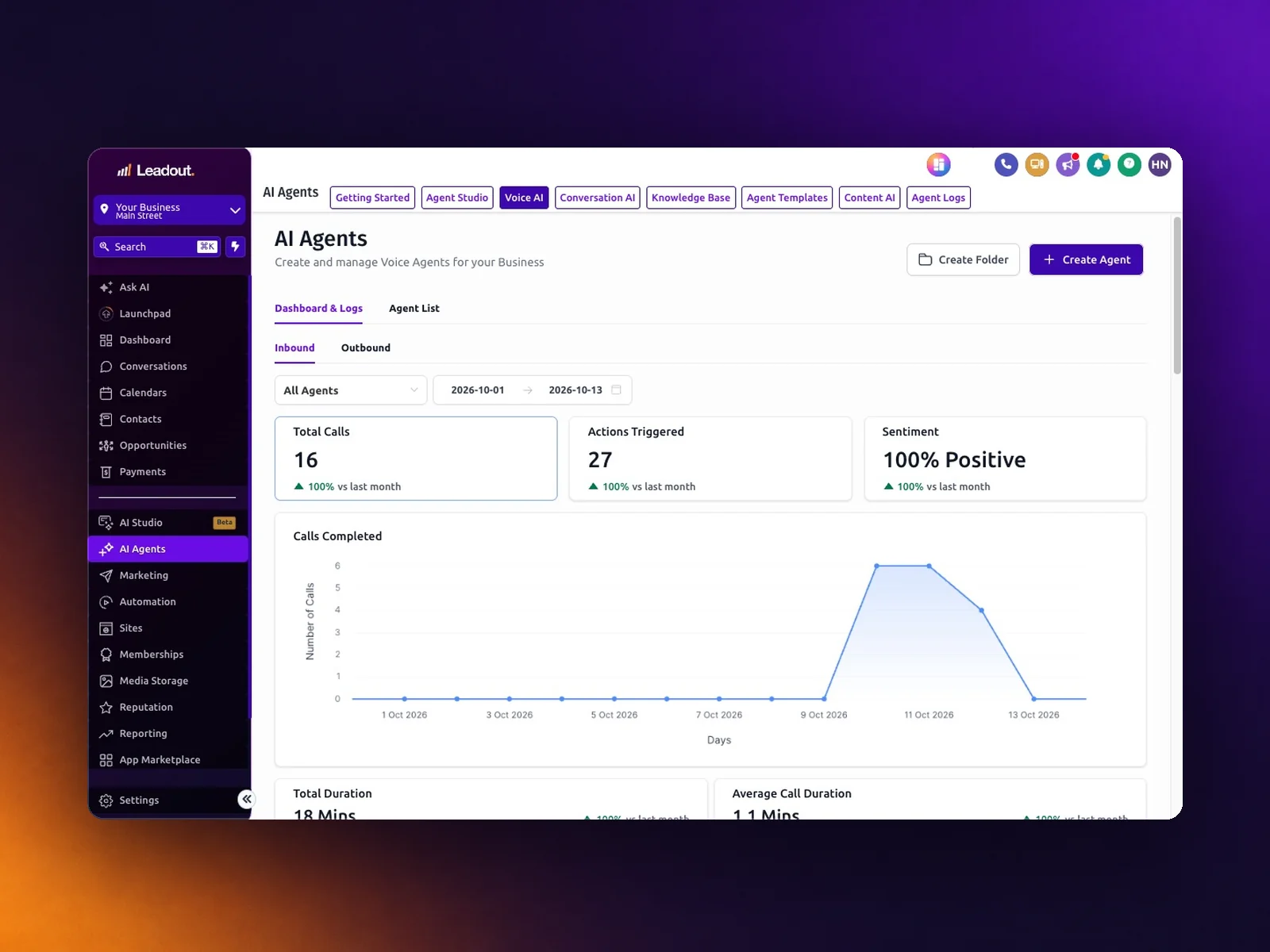
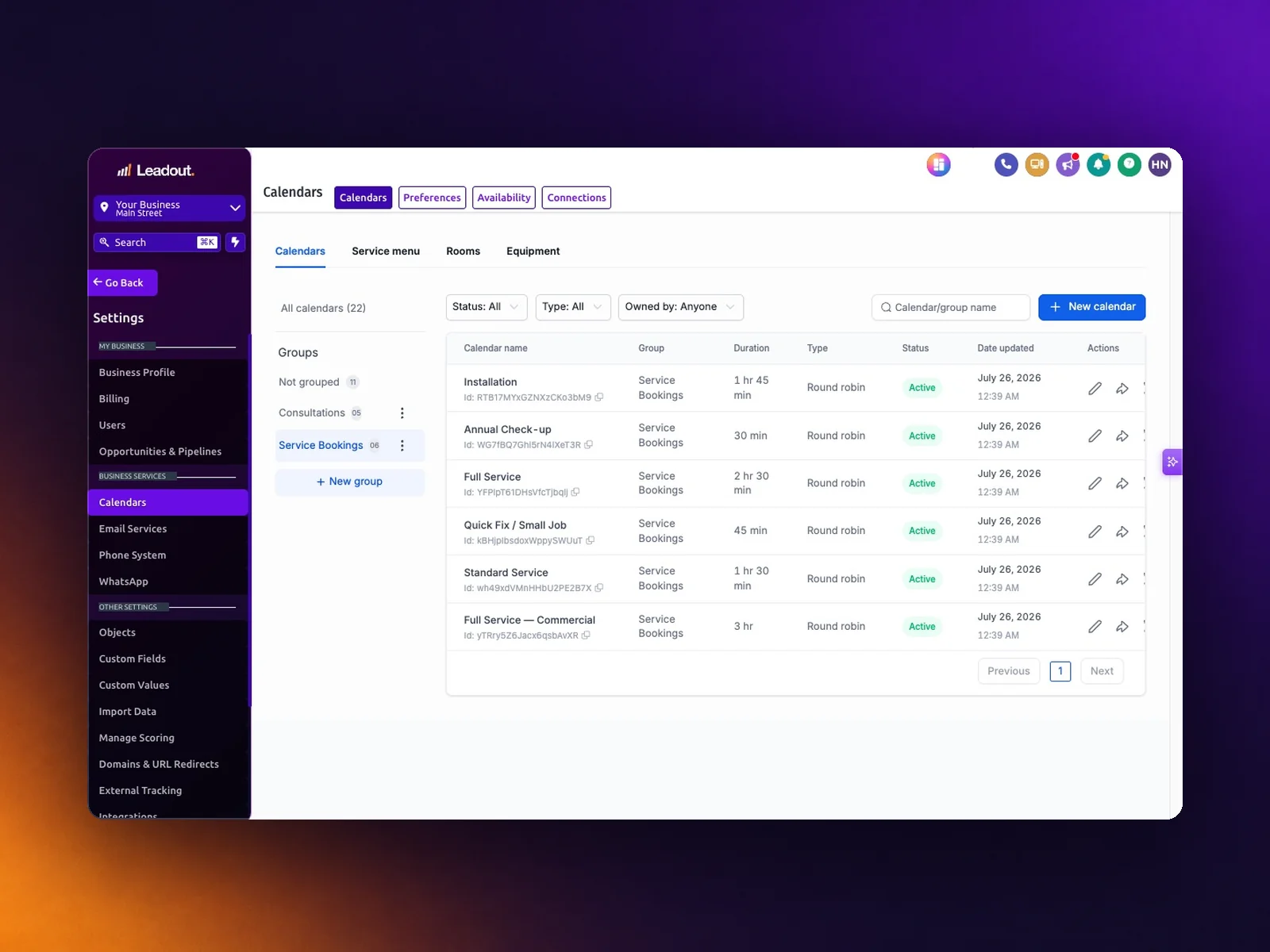
Whatever runs your workshop.
How deep the connection goes depends on the software. We tell you which on the call.
ServiceM8
What Tune Cycles runs, so the deepest connection we offer: jobs, calls, invoices and calendars joined up.
ServiceM8 page →Lightspeed
Customers, purchases and opt-ins from Lightspeed Retail, put to work through its API.
Lightspeed page →Square POS
Square customers, sales and appointments joined to the CRM and the AI.
Square POS page →Hubtiger
Hubtiger's API is partner-only, so there's no direct data connection. We work alongside it, through your phone number, inboxes and customer list.
Bikebook and others
We look at what your software opens up and build around it. Where it opens nothing, we work alongside it.
Not sure what yours allows?
Ask on the call. We'll tell you how deep a connection your software supports before you spend anything.
We run what we automate.
Tune Cycles is our own business: 10 mechanics, a Marrickville workshop and mobile servicing across Sydney, rated 4.7 stars from 601+ Google reviews. It runs on ServiceM8, GoHighLevel, Fieldd, Neto and Xero, joined by a hub we built and run every day.
Website, CRM, ServiceM8, bookings and Xero kept in step by one sync that runs every three minutes.
Enquiries into jobs, paid invoices onto the CRM, calls onto job notes, a daily Xero check, and more.
An AI voice agent answers when the workshop is closed, and knows each caller's bikes on file.
API calls to answer a revenue question from ServiceM8: about 28 minutes down to about 3, in a two-case test.
It isn't finished. The chat-to-booked-job path is the next build, and we'll say so when it's live.
You approve. AI earns its way in.
Every build starts small and read-only, and gets write access one step at a time.
Dry run first
Every tool shows what it would change, and changes nothing until a person says yes.
You approve what matters
Quotes, refunds, anything sent under your name: a person signs off before it goes.
Customers know it's AI
Chat and voice agents say they are AI, offer a person, and announce recording before a call is recorded.
Your data stays yours
It lives in your own Simpro, ServiceM8, CRM and AI accounts. Nothing is copied into a system we own.
Built to Australian rules
Call-recording consent, the Spam Act for texts and email, the Do Not Call Register for AI voices, and no AI-written reviews.
Handed over properly
Every build ends with an AI policy and a register of the AI tools you use, with one named owner.
General information, not legal advice.
One job first. Measured.
We don't start with a platform. We start with the task that eats the most hours, and prove it.
- 01
A fifteen-minute call
Which job eats your week? Which system holds it? We tell you straight if AI is the wrong tool.
- 02
We time it
Minutes per task, on your own jobs, before anything changes. That number is what we have to beat.
- 03
We build one thing
It runs as a dry run first. You see every change it would make, and you approve it.
- 04
We train the people who use it
Role by role, on your own system, with your own jobs. The go-to person in the office first.
- 05
A month later, we check
Is the task faster? Who still uses it? What needs changing? Then we pick the next job.
Every build is quoted before it starts. No platform plans, no lock-in.
Workshop questions.
Is this only for bike shops?+
No. Bike servicing is our own trade and where we prove things first. The same set-up suits motorbike, mower, small-engine and mechanic workshops.
Will customers know they are talking to an AI?+
Yes. It says so at the start, and offers a person.
Do we need new workshop software?+
No. We work with what you run. If your software is genuinely holding you back, we'll say so.
Find the hours first.
Fifteen minutes, no pitch deck. Tell us which job eats your week and we'll tell you whether AI is the answer yet.
Hayden Nosatti · Leadout · Sydney